CASE STUDY · FOUNDER PROJECT
Adorely turns photos and words into a birthday page someone will never want to close. I designed it, built it, launched it, and marketed it alone. This is what happened, with real numbers.
Work with meTHE PRODUCT
A birthday message on WhatsApp disappears into the chat. A story is gone in 24 hours. Adorely gives people a third option: a personal birthday website you build for someone you love.
Pick a design, add photos and a message, invite the whole friend group to leave wishes, then send one link on the big day. The recipient taps to unwrap a gift box, and the page reveals itself with confetti, music, and every wish their people left for them.
No app. No design skills. Works on any phone. Made in minutes.
“It's a gift, not an invitation. That one sentence of positioning is the reason the product works.”
THE CRAFT
The product is emotional, so the design had to earn emotion, not decorate it. I designed six complete template worlds, each one a different soul on the same skeleton. Tap any design to see the full page.
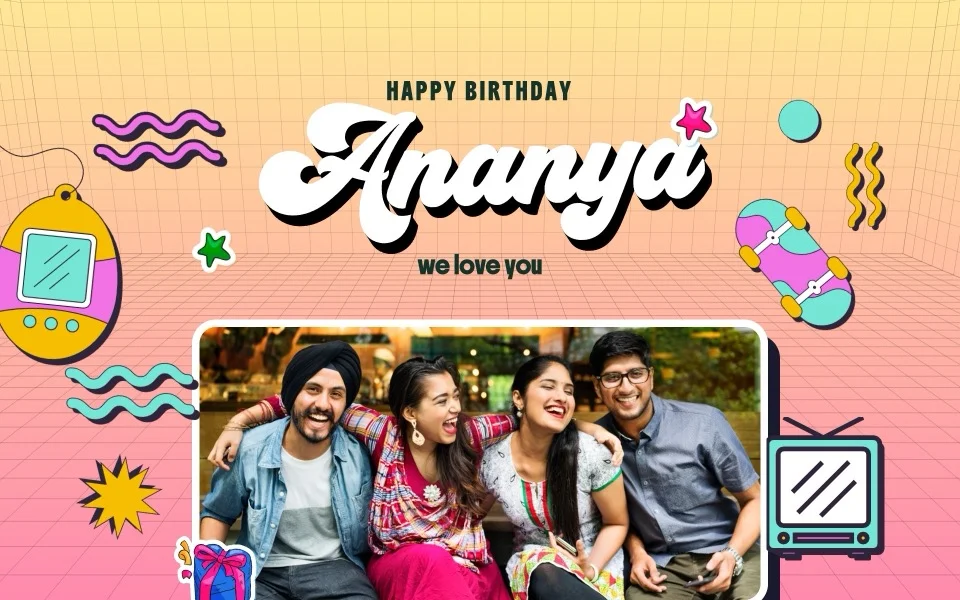
Party Pop
A Y2K sticker party with a scratch-to-reveal message
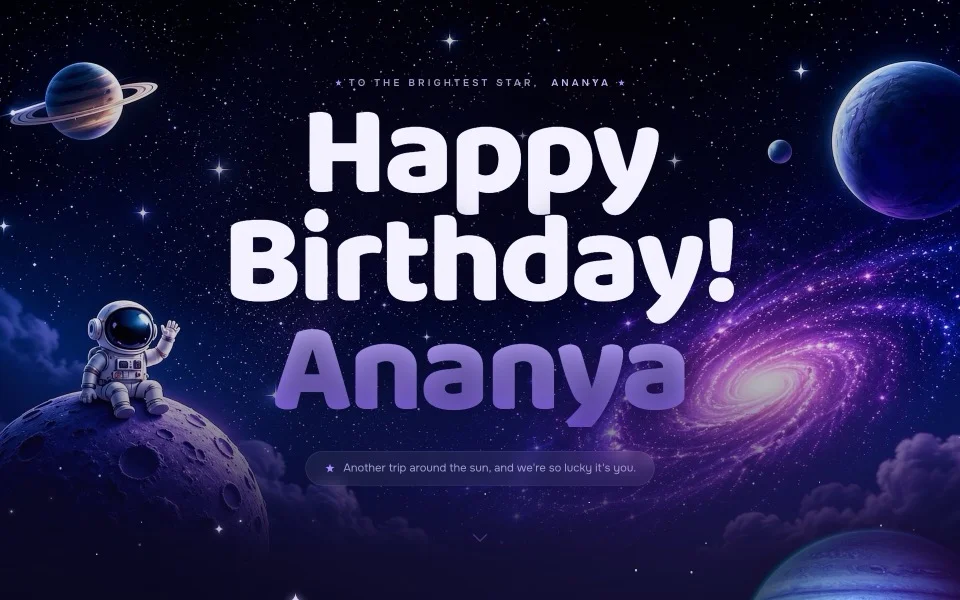
Space Galaxy
Memories orbit a 3D Earth you can spin
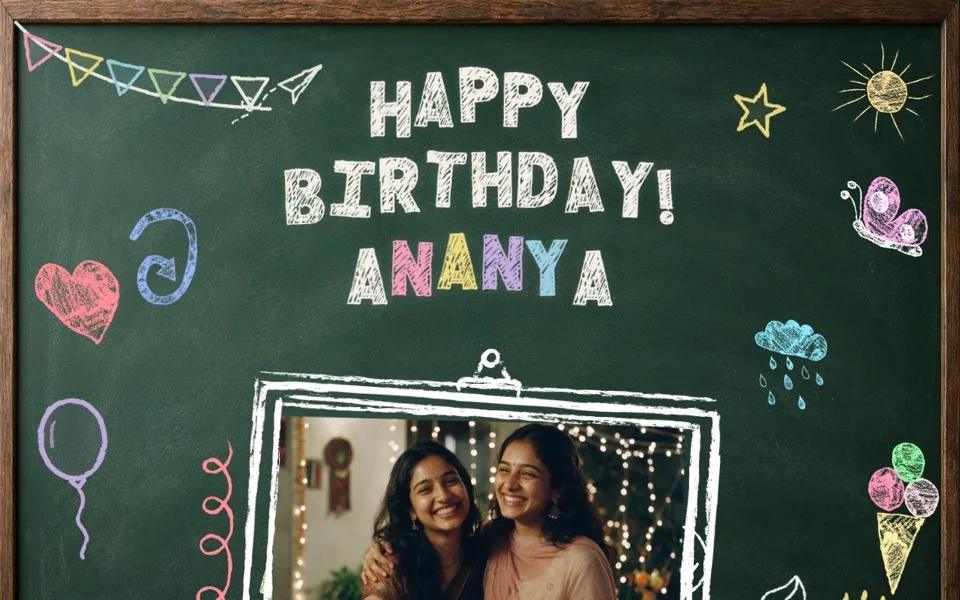
Chalkboard
"Happy Birthday" draws itself, chalk hides the message
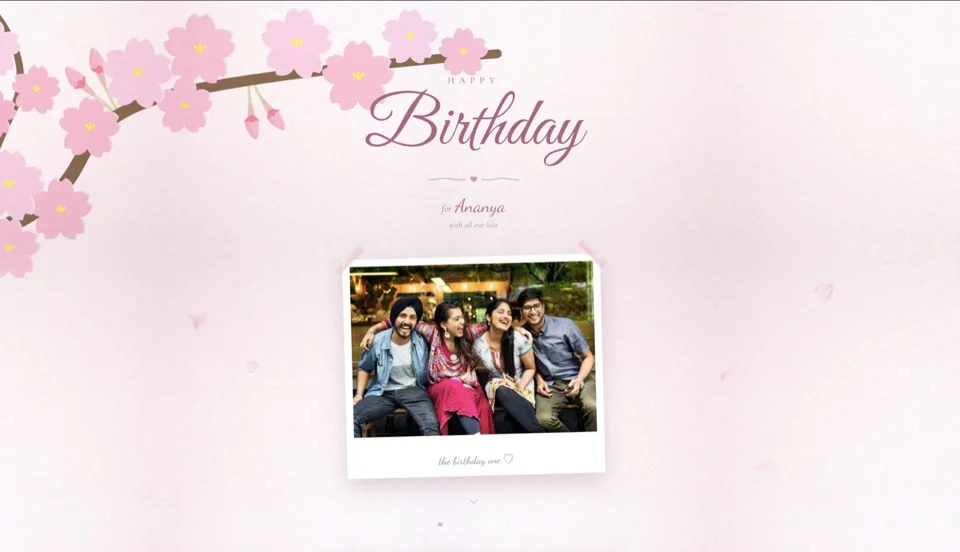
Love Letter
A wax-sealed letter that tears open as you scroll
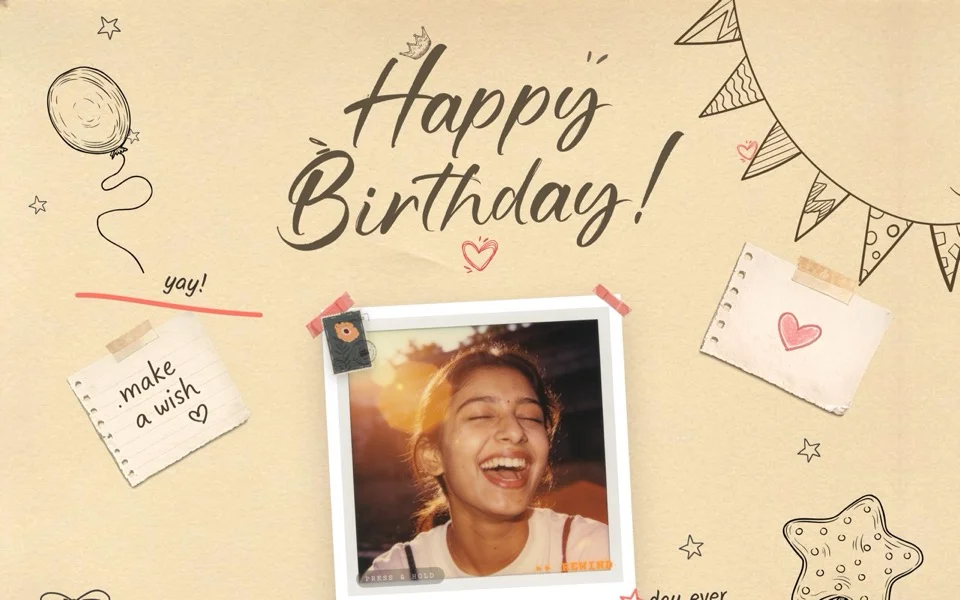
Rewind
A Polaroid develops, a notebook writes itself
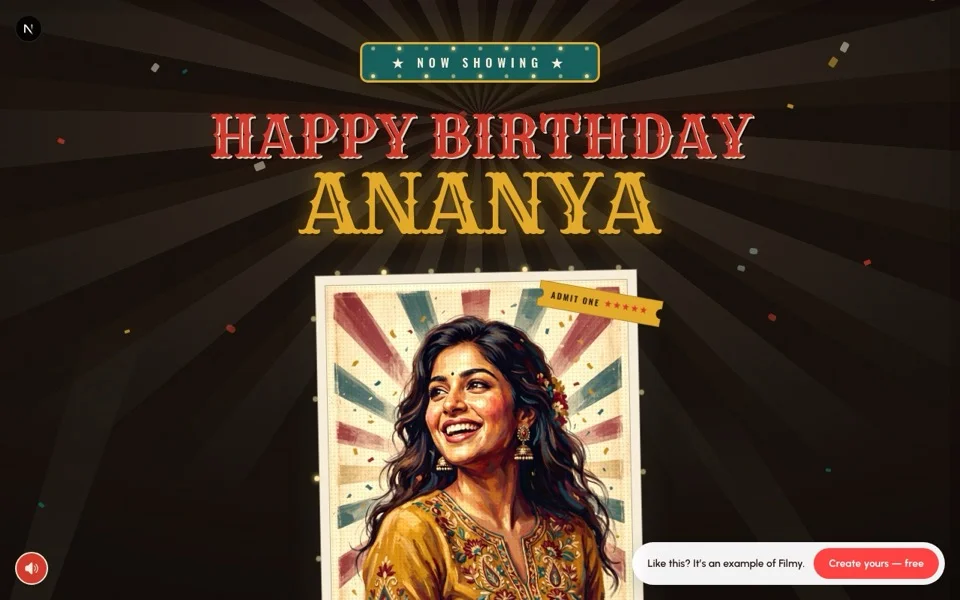
Filmy
A night cinema, memories on a 35mm film strip
Every page opens behind a tap-to-unwrap gift box. That tap is also the browser gesture that legally lets the music start. Craft and engineering solving the same problem in one move. And every page sings: if the creator uploads nothing, the page still plays a music box “Happy Birthday” I synthesized in code. No file, no licensing, no silent pages.
One number taught me the biggest design lesson of the project: one template quietly became the default in the create flow, and it now carries nearly 7 out of 10 pages ever made. Whatever you make the default is what your product becomes. Defaults are the strongest design decision you ship.
“Same skeleton, different soul. One renderer powers all six worlds, so a new design is data, not a rebuild.”
GROWTH DESIGN
I did not build a product and then bolt on marketing. The growth loop is the product:
Every recipient and contributor is a future creator.
One birthday page touches an entire friend group. The metric I optimize is contributions per page, because it is virality and activation in a single number.
Design lesson: the share moment is the product. Everything else exists to make that moment worth sharing.
THE LAUNCH
I launched with a small paid test on Meta, full funnel instrumented before the first rupee went out. Thirty days later, on about ₹16,000 (~$190) of total ad spend:
Meta Ads, 30 days, about ₹16,000 (~$190) total spend.
44% of all sign-ups arrived in the most recent week. The curve is steepening, not flattening.
CONVERSION DESIGN
Three lessons I now carry into every client project:
My ad landing pages showed a live example page, behind the same lovely gift box recipients see. 629 visitors, near zero conversions. Cold traffic saw a stranger's gift and a hidden call to action. I removed the gate for ad traffic only, so cold visitors see the product instantly while real recipients keep the magic. Same product, two doors.
Four out of five checkout attempts in week one died inside Instagram's in-app browser, where the payment window cannot switch to a UPI app and come back. I rebuilt checkout to detect webviews and hop to a full-page payment flow with a signed server callback. Payments recovered immediately.
The browser pixel was delivering roughly 10% of real sign-ups to Meta, ad blockers and webviews ate the rest. I moved the entire funnel server-side with the Conversions API, deduplicated against the pixel. Meta's optimizer finally saw reality and cost per result followed.
The compound payoff of all three: sign-up to paid conversion is 4x what it was in week one.
“I sell conversion design to clients. Adorely is where I pay for those lessons with my own money first.”
PRICING
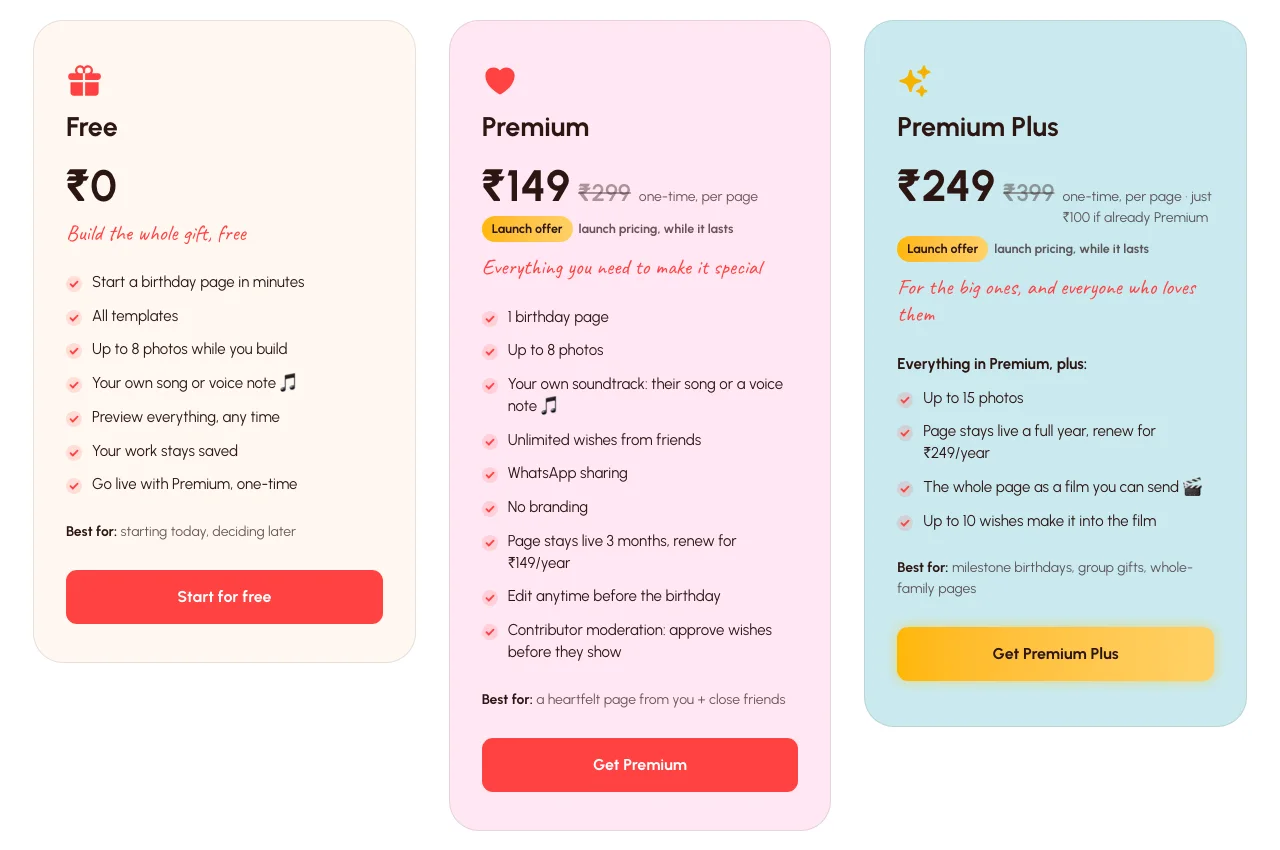
Pricing an emotional product is a design problem, and I made three deliberate calls:

The live pricing page. Every claim on it is enforced server-side.
ARCHITECTURE
Scalability is not a slide, it is a set of decisions made early:
One renderer,
one manifest format
Six worlds from one engine. A new design is a data file.
Design lesson: I design products so that success makes them cheaper to run, not more expensive.
THE HONEST PART
Adorely is a month old, and I can tell you exactly what is broken in it right now, because I measure it: the collaborative wish wall, the product's whole viral engine, is only being used on one page in five. Most pages ship as a solo gift. Before I build anything new, I am diagnosing whether the leak is the invite flow, the contributor landing page, or creators simply not discovering the feature.
That sentence is the whole methodology: ship, measure, find the truth, fix the highest-leverage broken thing. Everything else in this case study came from running that loop again and again for thirty days.
The viral loop today. Fixing this is worth more than any ad budget.
Positioning, product design, funnels that measure the truth. Everything you just read, I can do for you.