At a glance:
The most expensive gap in design is diagnosis, not skill. A designer who waits for a brief is a pair of hands you're paying senior rates for.
AI now executes faster than any human can. Diagnosing where design is actually failing your business has become the real job.
The single biggest signal in a designer is whether they ask "what do you want me to make?" or "here's what's broken and what I'd do about it."
Founders who screen for problem-finding get wildly better returns from every design dollar.
You've hired designers before. Good ones. Strong portfolios, clean Figma files, a process that felt professional.
You gave them the brief. They executed it. The work looked great. And nothing changed.
The design wasn't bad. The brief was wrong, and nobody in the room caught it.
The pair-of-hands problem
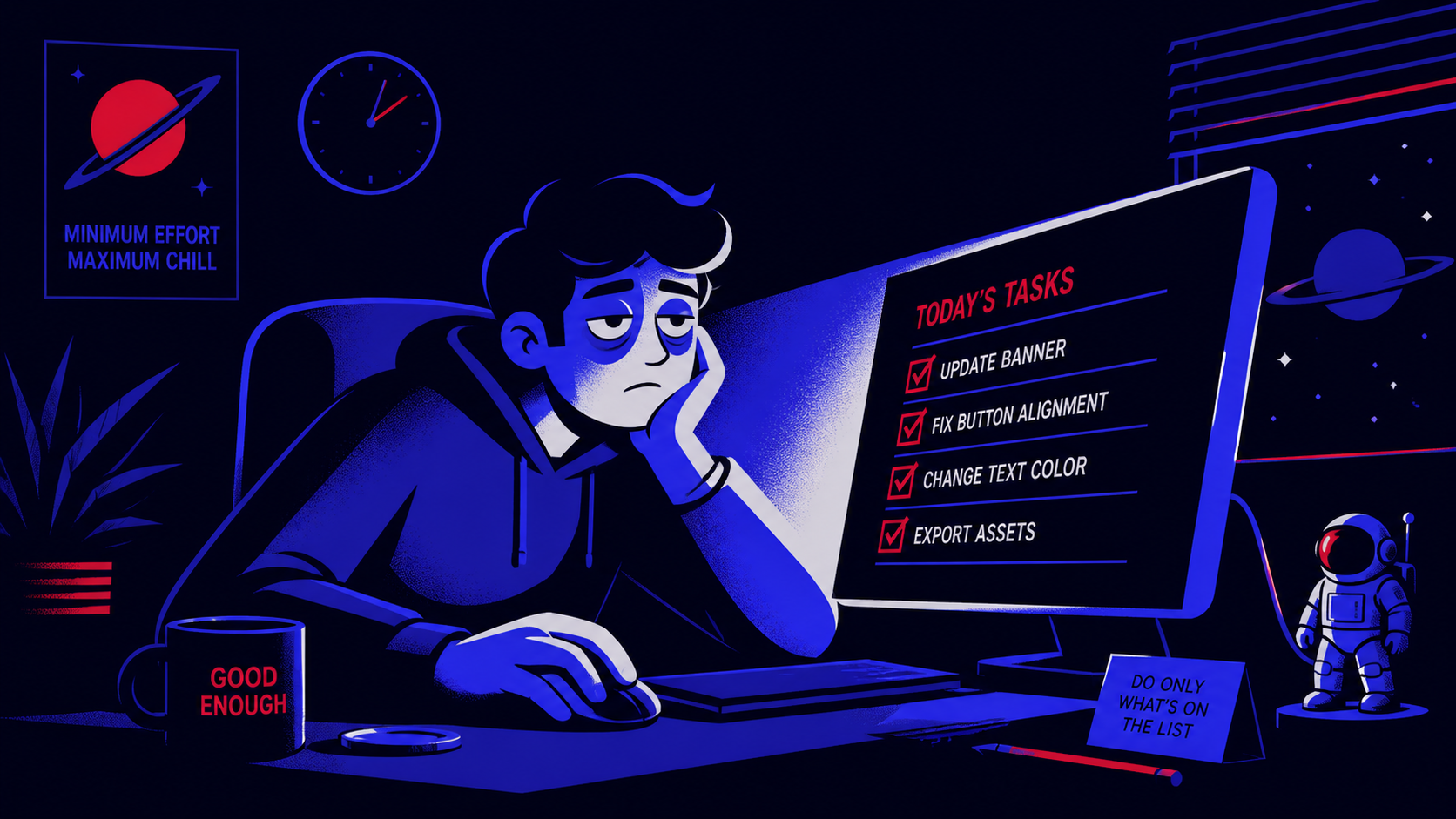
There are two kinds of designers. The first one shows up and asks: "What do you want me to make?"
They're polite. Responsive. They deliver exactly what you asked for. That's the problem.
When a founder writes a design brief, they're guessing. They're translating a business problem they feel into a design solution they think might work. "We need a new homepage." "The pricing page needs a refresh." "Can you make the onboarding flow feel more modern?"
These are symptoms dressed up as solutions. A pair-of-hands designer will execute them faithfully and never question whether they're solving the right problem.
The second kind of designer shows up differently. Before they open Figma, they ask uncomfortable questions. Why do you think the homepage is the issue? What does your scroll depth data say? Where are people actually dropping off? Have you talked to a churned user recently?
They're doing the actual job.
Diagnosis is the job now
Five years ago, execution was the bottleneck. Clean layouts, good typography, responsive breakpoints, motion that didn't feel janky. That took real skill and real time.
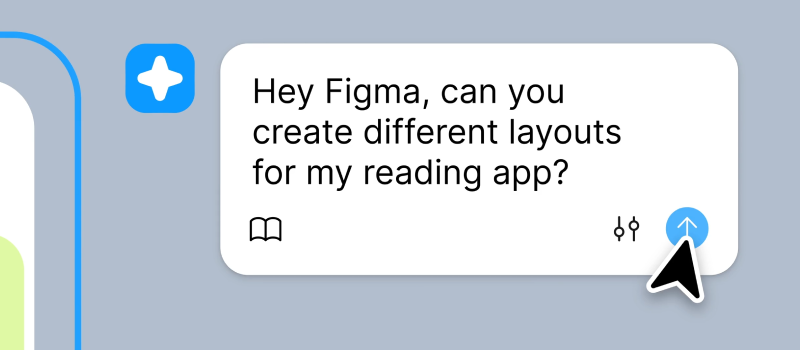
In 2026, AI handles a huge chunk of that. Figma's AI features, Midjourney for concepting, dozens of others. They produce polished visual output in minutes. A founder with decent taste and the right tools can get to "looks good" without a designer at all.
What AI cannot do is look at your signup flow, your analytics, your customer feedback, and your competitive positioning, and tell you the real problem isn't where you think it is. It's that your pricing page creates doubt at the exact moment a visitor is ready to commit.
That's diagnosis. That's pattern recognition built on years of seeing what breaks. That's what you're actually paying a good designer for.
A designer who can't do that is a very expensive cursor.
What problem-finding looks like in practice
I've been on both sides of this. Early in my career, I was the pair-of-hands designer. A client said "redesign the landing page" and I redesigned the landing page. It looked better. The numbers didn't move. I didn't understand why.
Now, when a founder tells me the landing page needs work, my first response is: "Maybe. Show me what's actually happening."
Nine times out of ten, the real problem is somewhere they weren't looking.
A founder came to me convinced their homepage was the issue. Bounce rate was high, signups flat. They wanted a full redesign. I looked at the data and the homepage was fine. People were clicking through. The drop-off was on the next page, where the product description was so vague that visitors couldn't tell if it was for them. A rewrite and a layout adjustment on that one page moved their trial signups more than a homepage redesign ever would have.
Another client wanted a "more premium" feel across their site. When I dug into their support tickets, the real issue lived in their onboarding emails. Users were churning before they ever experienced the product. The fix was experiential, sitting in their inbox, not on their website.
These aren't unusual stories. This is what happens every time a designer actually looks before they design.
Why founders keep hiring hands instead of heads
Founders aren't lazy and they do care. The design industry is just structured to sell execution.
Portfolios showcase finished work, not the thinking behind it. Case studies show before-and-after screenshots, not the diagnostic process. Pricing is scoped around deliverables: a homepage, five inner pages, a set of icons. The entire hiring funnel rewards output over insight.
So founders end up optimizing for the wrong thing. They pick the designer whose portfolio is prettiest. They scope projects around pages and screens. They measure success by whether the deliverable matches the brief.
And they never find out the brief was wrong, because nobody in the process was hired to question it.
How to screen for this
Next time you're evaluating a designer, pay less attention to their portfolio and more attention to their questions.
A pair-of-hands designer will ask about timelines, deliverables, brand guidelines, and preferred tools. All practical. All necessary. All focused on execution.
A diagnostic designer will ask about your business. What's converting and what isn't. Where your revenue comes from. What your customers complain about. What you've already tried. They'll push back on the brief before they accept it. They'll tell you things you didn't ask to hear.
That pushback is the most valuable thing a designer can offer. It's also what most founders screen out, because it feels like friction when you just want to get started.
Here's a simple test. Describe your project to the designer and see what they do with it. If they come back with a proposal and a timeline, they're selling execution. If they come back with three questions that make you rethink the project, they're selling thinking. Hire the second one.
The real cost of skipping diagnosis
Every design project that starts with the wrong brief ends one of two ways. You get something that looks great and changes nothing. Or you get halfway through, realize the direction is off, and restart with a brief that should have been the first one.
Both cost time and money. The first outcome is worse, because you might not even realize the money was wasted. The site looks good. Everyone's happy. The numbers don't move, but maybe that's a marketing problem, right?
It's a diagnosis problem. And it will keep repeating until you work with someone who finds the real issue before they start designing.
AI made this more important, not less
The rise of AI design tools didn't soften this distinction. It sharpened it.
When execution is cheap and fast, everyone has access to "looks good." The competitive edge moved upstream. Knowing which pixels to change, why, and what business outcome that should drive. That's where the value sits now.
A designer who can diagnose problems, connect design decisions to revenue, and challenge your assumptions is more valuable now than at any point in the last decade. A designer who can only execute what you tell them is competing with tools that cost $20 a month.
The market is splitting. Founders who understand the difference are the ones getting real returns from design.